
The IMG Residency Match Roadmap: Where to Start If You're Completely New
LALATIMGS Academy Blog · September 23, 2026 · 4 min read
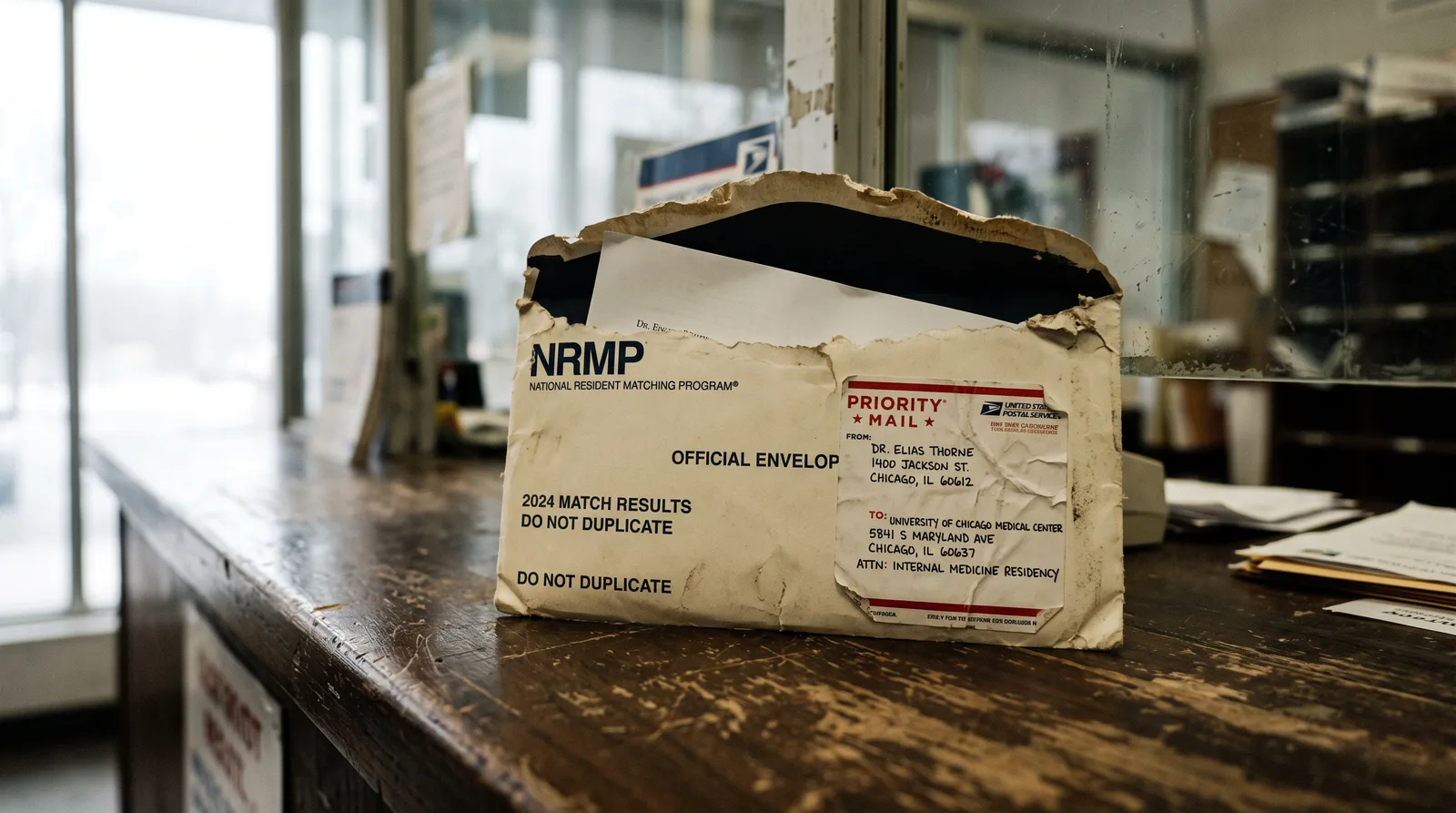
If you've just started researching the U.S. physician pathway as an international medical graduate, you've probably already experienced the overwhelm. You search one term and end up with fifteen new tabs, three acronyms you don't recognize, and a Reddit thread from 2019 that may or may not still be accurate.
So let's fix that right now.
What follows is a honest, chronological roadmap — milestone by milestone — so you can see the full journey in one place and know exactly where you stand. This isn't every detail you'll ever need. It's the skeleton that makes all the other details make sense.
Milestone 1: Understand What ECFMG Certification Actually Is
Before anything else, you need to know about the Educational Commission for Foreign Medical Graduates (ECFMG). Think of ECFMG as the gatekeeper that verifies your medical credentials are legitimate and equivalent to U.S. standards.
To become ECFMG-certified, you'll need to:
- Have your medical school listed in the World Directory of Medical Schools (with an ECFMG note)
- Pass all required USMLE steps
- Have your medical diploma verified through the EPIC primary source verification process
You cannot enter a U.S. residency program without ECFMG certification. This is your foundation — everything else builds on it.
Milestone 2: Build Your USMLE Strategy
The United States Medical Licensing Examination has three steps IMGs must pass for ECFMG certification and licensure:
- Step 1 — Basic sciences (now Pass/Fail)
- Step 2 CK — Clinical knowledge (scored, and increasingly the most important number on your application)
- Step 3 — Clinical management (usually taken during or after residency, but some IMGs take it before to strengthen their application)
Your Step 2 CK score carries enormous weight in the IMG match. This is the number program directors look at hardest, so plan your preparation accordingly — give it the time it deserves.
One important note: there is a 7-year rule (sometimes called the "attempt limit" consideration) — ECFMG and some state boards have policies around how long your step scores remain valid and how many attempts are allowed. Know the current rules before you start.
Milestone 3: Gather Your Clinical Experience in the U.S.
U.S. clinical experience — commonly called USCE — is not technically required, but in practice it matters enormously for competitive specialties and for IMGs overall. It comes in two main forms:
- Observerships — You shadow a physician. No patient contact. These are easier to arrange but carry less weight.
- Clinical electives or externships — You participate in patient care in a supervised capacity. These are more competitive to obtain but significantly stronger on an application.
USCE also gives you something priceless: letters of recommendation from U.S.-based physicians. A strong LOR from someone who has watched you work in a clinical setting can open doors that scores alone cannot.
Milestone 4: Prepare Your Application Package
When you're ready to apply, you'll go through ERAS — the Electronic Residency Application Service — which opens in the summer before each Match cycle.
Your ERAS application includes:
- Personal statement
- USMLE transcripts
- ECFMG status report
- Medical school transcripts and diploma
- Letters of recommendation (typically 3–4)
- MSPE (if applicable)
- CV and work/research experience
Start your personal statement early. It's the one part of your application where your voice and your story come through. Don't treat it as an afterthought.
Milestone 5: Navigate the Match Through NRMP
The National Resident Matching Program (NRMP) is the system that pairs applicants with residency programs. Here's how the cycle flows:
- ERAS opens — You submit your application and designate programs (each costs money, so strategize your list)
- Interview season — Programs review apps and extend interview invitations (increasingly virtual)
- Rank Order Lists — You rank programs; programs rank you
- Match Day — Third Friday of March. You find out where you matched — or whether you matched
If you don't match, there is a process called SOAP (Supplemental Offer and Acceptance Program) that fills unfilled spots immediately after Match Week begins. It's stressful, but it's a real pathway.
Milestone 6: Licensure After You Match
Matching into residency is not the end of the paperwork. You'll need a medical license to practice in your residency state. Most states issue a training license or a limited permit for residents — but requirements vary by state, and some take months to process.
Start your state licensure application as soon as you know where you matched. Do not wait.
The Honest Truth About This Journey
The U.S. physician pathway for IMGs is long, layered, and at times genuinely hard. But it is navigable — especially when you understand the sequence. Every step you take builds on the last one. ECFMG certification unlocks ERAS. ERAS unlocks interviews. Interviews unlock the Rank List. The Rank List unlocks Match Day.
You don't have to figure out all of it today. You just have to know what comes next.
If you want a deeper walkthrough of any of these milestones — with verified, up-to-date guidance built specifically for IMGs — the LATIMGS Starter Guide is the place to begin. Seven free lessons, zero fluff, and a personalized next-step plan waiting for you at the end.

Want to go deeper than a blog post?
LATIMGS Academy Online Program
A practical, step-by-step education platform for international medical students and graduates navigating the U.S. physician pathway, from ECFMG certification and USMLE to research, U.S. clinical experience, ERAS, Match, licensure, and career pathways beyond residency.
Start learning — $997/yr